
Useful knowledge about lubricants

Learn more about lubricants and get tips on how to avoid downtime. We have gathered everything you need to know, right here.


På dansk? Klik her for dansk version


What do your lubricants cost - and is your solution cost-effective?

The price of lubricating oil varies with the constant fluctuations in the oil industry. But at the end of the day, looking at price alone is the wrong approach. When you choose a lubricant, you should look at the overall economics. In this article, we take a closer look at the economics of lubricating oil and at the costs associated with your choice of lubricant.

Read more


How to reduce faults and downtime in your production

Downtime and faults in the production process can be costly, but fortunately you can reduce the risk by introducing simple routines in your day-to-day operations. In this article, we share our tips on how to avoid unplanned downtime.

Read more


What is the difference between mineral and synthetic oils?

Broadly speaking, two types of lubricating oil dominate the market: mineral and synthetic oils. While both reduce friction and wear, they differ significantly in their origin, structure and performance. In this article, we take a closer look at the two types of lubricant, the advantages and disadvantages of each, and which type of lubricating oil you should actually choose for which purpose.

Read more


Avoid breakdowns on your machines with the right grease

Lubricating grease plays a major role for your machines and machine parts. Choosing the right grease is essential if you want to avoid inefficient operation, faults and breakdowns. This applies whether the machine is a tractor, a marine engine or a piece of construction equipment. It turns out that up to half of all machine and engine problems can be avoided with the right lubrication and the right grease.

Read more


Why is oil analysis something you should do regularly?

Imagine being able to look inside your machines’ engines and get a snapshot of their condition. In other words, a kind of condition report that tells you whether your machines are working optimally, or whether there are any irregularities to be found. That is exactly what you get with an oil analysis.

Read more


Is your lubricating oil food-grade?

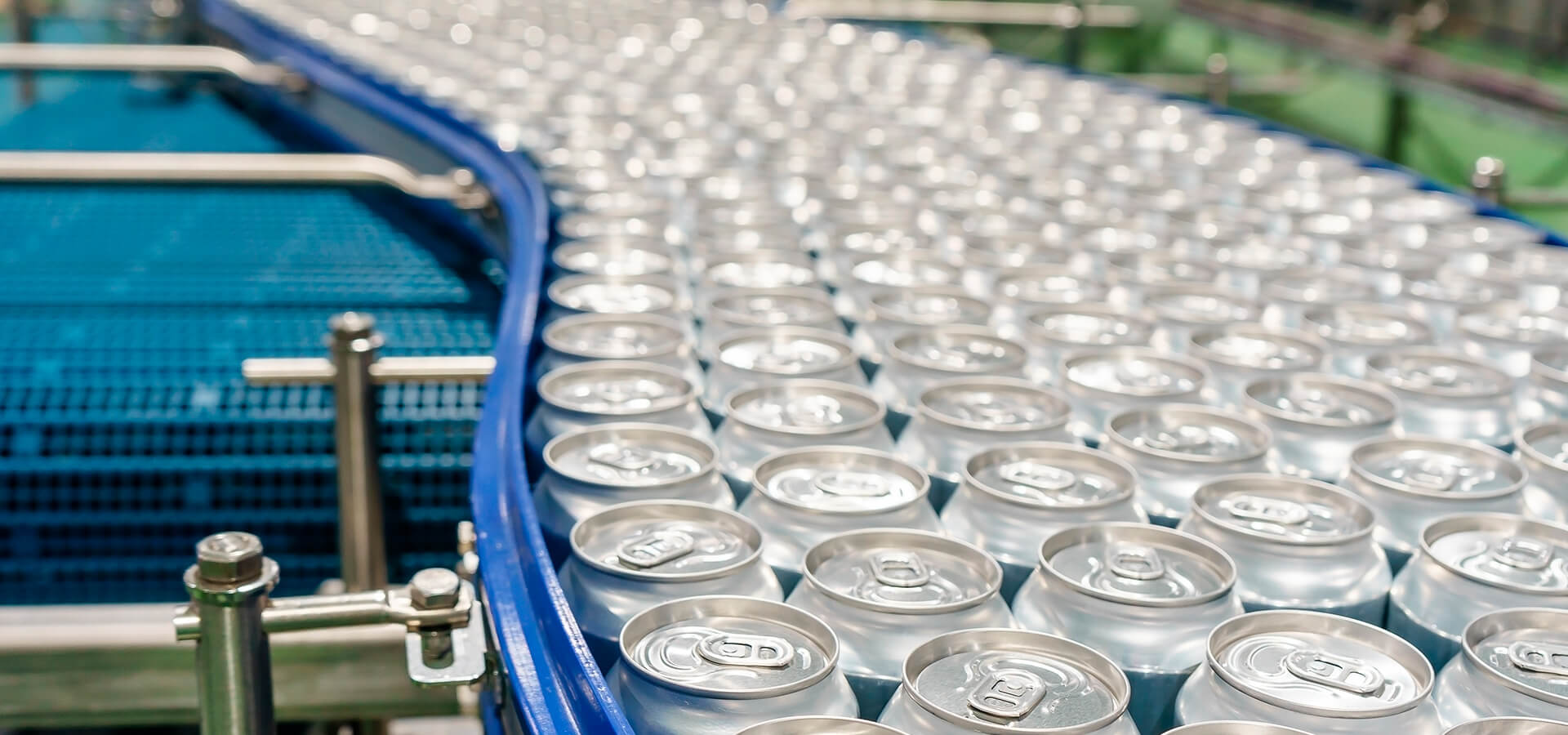
If you are responsible for production (or purchasing) in the food industry, you know how crucial it is to meet strict food safety requirements. Everything in the production chain, from raw materials to finished products, must comply with stringent legal requirements.

Read more


Lubricating oil in winter: how to improve operational reliability

Are you worried about the coming winter and what lower temperatures will mean for the reliability of your machines? You are probably not alone. The cold months bring a number of challenges for machines and vehicles that have to operate outdoors in all kinds of weather.

Read more


How to store and handle your lubricants

Choosing the right lubricating oils is important, but storing them correctly is just as crucial. Otherwise, you risk them becoming contaminated, which can cause serious damage to your machines and systems. In this article, we take a closer look at how to store and, more generally, handle your lubricants so they stay in good condition.

Read more


Clean lubricating oil: the key to optimal performance

Optimal performance and a long service life for machines are crucial to a company’s productivity and competitiveness. One of the most important factors in achieving this is keeping the lubricating oil clean.

Read more


Biodegradable hydraulic oil

If you work with hydraulic systems, you know how crucial the oil is to the performance of your machines. But have you ever thought about how your hydraulic oil affects the surrounding environment?

Read more


The invisible deposits that sabotage your operations

You think your machines are running as they should. The measurements show that everything is under control. But behind the numbers, there may be problems you cannot see. Dirt and deposits build up in oil channels and valves: invisible at first, but with significant consequences in the long run.

Read more


Have your waste oil collected, hassle-free and good for the environment

When oil from engines, gearboxes and hydraulic systems, for example, has done its job, it must be disposed of correctly. But that does not mean you have to spend time sorting out the logistics or pay extra.

Read more


How to know if you are using the right greases

Greases are rarely what you spend most of your time on in a busy operation. Few people have in-depth knowledge of specifications, approvals and the differences between the many variants. And so people often choose what they usually do. Get an insight into what typically goes wrong and how to choose correctly.

Read more

Smørefedt til våde og krævende miljøer

How do you ensure trouble-free operation in wet and demanding environments?

Water, moisture and high loads place heavy demands on the lubrication of your machines. If the grease is washed away or does not provide enough protection against wear, it can lead to more frequent maintenance and a risk of downtime. In this article, we take a closer look at what to look for in your grease, and how Rykon MP 2 can help ensure stable operation in demanding environments.

Read more